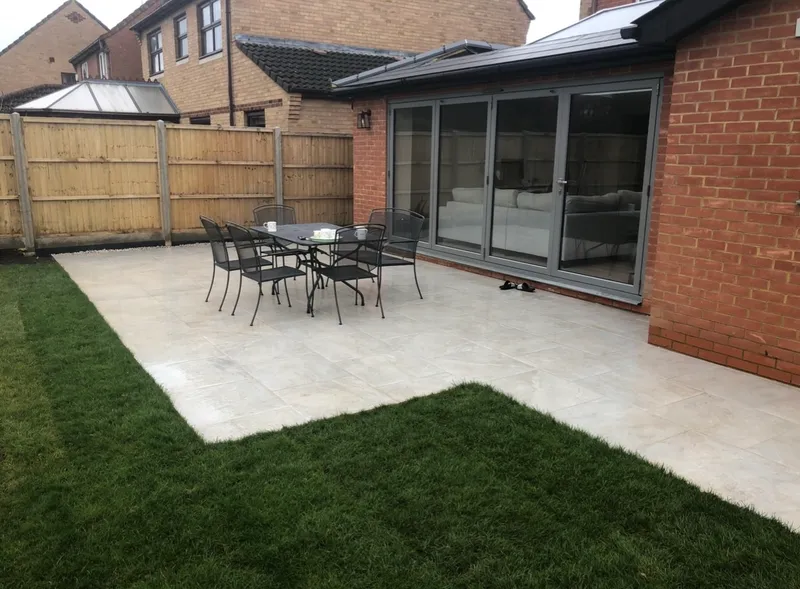
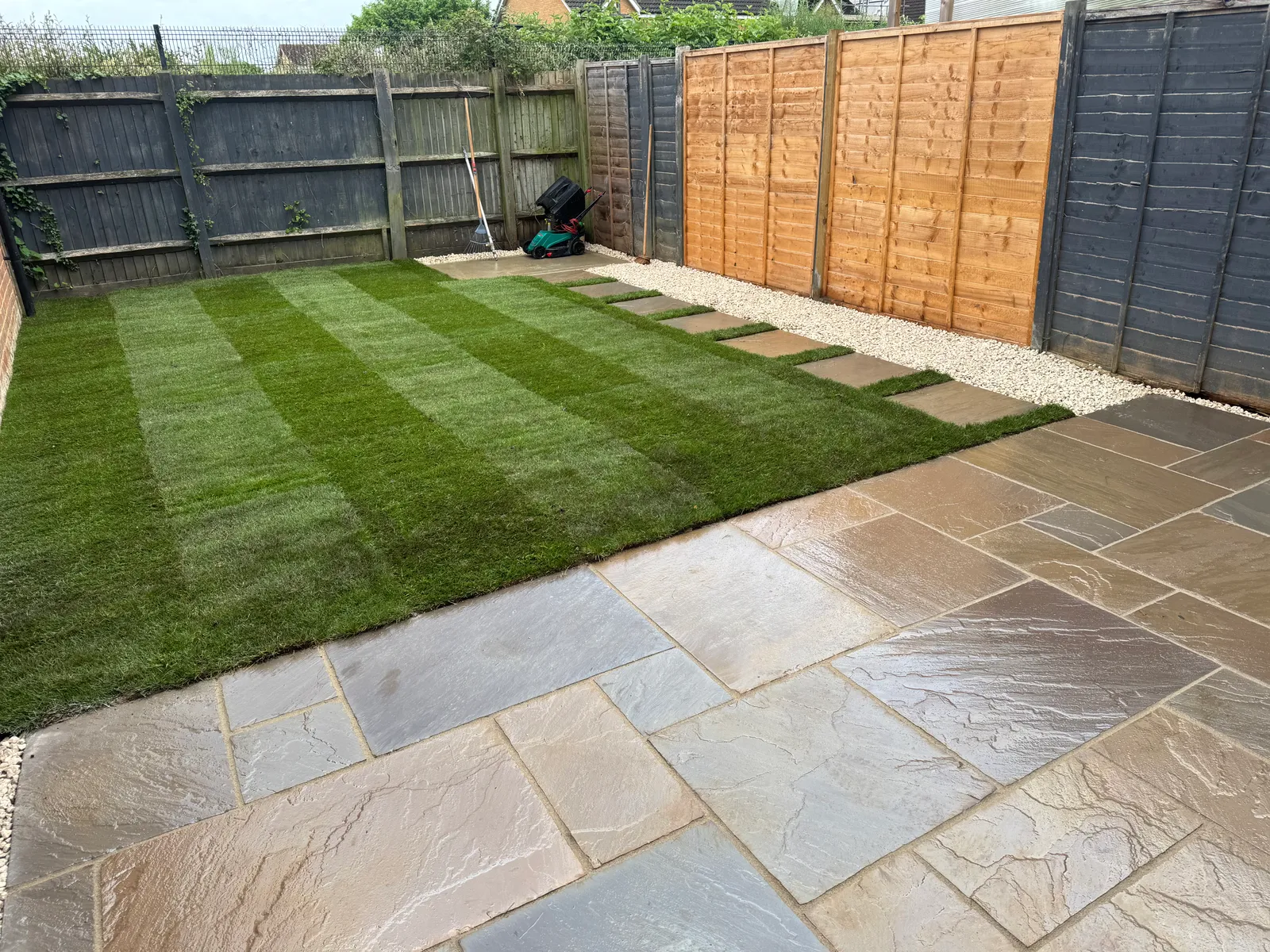
The best time to lay turf in the UK is mid-autumn, when the soil is still warm and rain does most of the watering. You can lay it any time from autumn to early spring, as long as the ground is not waterlogged or frozen. If you would rather have it done for you, our new lawn and turfing service covers the preparation and laying.
At a Glance
- Best: September to November, while the soil is warm and moist.
- Next best: early spring, around March, before the ground dries out.
- Winter can work in mild spells, but never on frozen or waterlogged soil.
- Summer is the riskiest time, because new turf needs watering again and again.
- Prepare the ground before the turf arrives, then lay it the same day.
- Water straight away and keep it damp for about 28 days.
- Mow for the first time once it has rooted, usually around three weeks.
When Is the Best Time to Lay Turf?
The RHS turf guide says turf is best laid in mid-autumn. It can go down any time from then until early spring, whenever the soil is not too wet or frosty.
Autumn suits new turf for three simple reasons:
- The soil still holds summer warmth, so roots grow down quickly.
- Autumn rain keeps the turf damp, so you water far less.
- The lawn has the whole winter to root in before summer arrives.
That means a lawn you can enjoy the following summer, without months of careful watering.
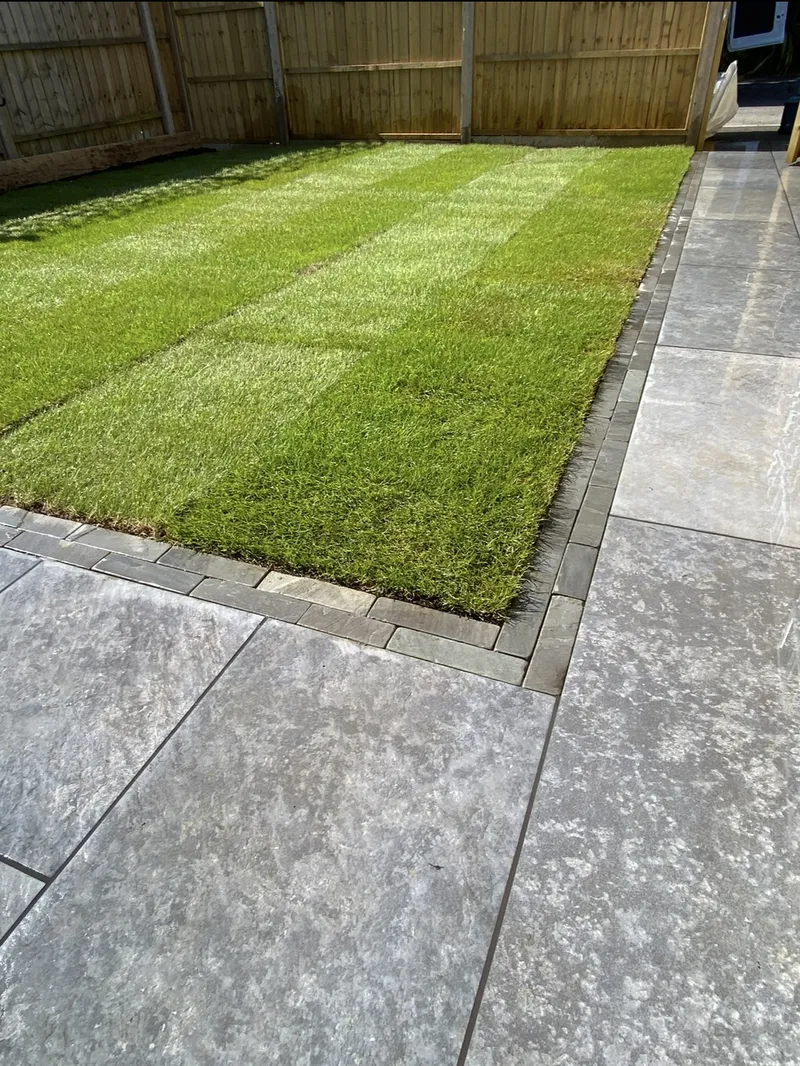
Is Spring a Good Time to Lay Turf?
Early spring is the next best time. The ground is moist and the grass is starting to grow again. The RHS drought advice suggests laying turf from September through winter until March.
The catch with spring is the summer that follows. Turf laid later in spring has less time to root before hot, dry weather. The RHS says a lawn laid or sown in spring may need watering through summer. So if you want a spring lawn, aim for March rather than May.
Can You Lay Turf in Summer?
You can, but it is the hardest time for new grass. The RHS advises against laying turf from mid-spring to early autumn. New turf struggles in hot weather and needs watering again and again.
If summer is the only time that works for you, a few things help:
- Lay it early in the morning or in the evening, not in midday heat.
- Water it straight after laying and keep the soil beneath it damp.
- Water in the early morning or early evening, so the sun does not burn it off.
- Check your water company's rules before a dry spell, not during one.
That last point matters in a drought. The Turfgrass Growers Association says most hosepipe bans allow some watering of newly laid turf. The wording and conditions differ between water companies, though. Some allow 28 days after laying, so check your own supplier's terms.
Can You Lay Turf in Winter?
Yes, in the right conditions. The RHS says turf can be laid during mild spells, if the soil is not waterlogged. The weather should not be very wet, snowy or frosty.
What to avoid in winter:
- Frozen ground. Turf cannot root into frozen soil, and you cannot level or firm it properly.
- Waterlogged ground. Working on soggy soil squashes it, which leaves a lawn that drains badly.
- Walking on frosty grass. The RHS warns that frosty blades go brittle and can leave brown footprints.
A simple test is to squeeze a handful of soil. If it drips or smears like putty, wait for drier weather.
How Should You Prepare the Ground for Turf?
Good preparation matters more than the month you choose. Turf laid on poor, compacted ground struggles in any season. The RHS steps are:
- Fork out perennial weeds, such as couch grass and bindweed, roots and all.
- Dig or rotovate to 20 to 25cm deep, so the ground is not compacted.
- Work in well-rotted manure or garden compost to help the soil hold moisture.
- Let the ground settle, ideally for five to six weeks or more.
- Hoe off any weed seedlings that come up in the meantime.
- Firm the surface by shuffling across it, then rake it level in several directions.
On light, poor soil, the RHS suggests raking in a general-purpose fertiliser first. On dug ground, leave the surface a little higher than its surroundings, because it will settle.
Clay soils in the Chilterns
Much of the higher ground here is clay with flints over chalk. In Prestwood, British Geological Survey mapping shows clay-with-flints over chalk across most of the village. Around Penn, a Buckinghamshire Council landscape assessment describes slightly acidic loamy soils over clay with flints. It notes these soils have impeded drainage.
On ground like this, timing and preparation go together. Heavy clay stays wet longer after rain, so it is easy to compact in a wet winter. Picking out flints and loosening the clay helps new roots get down. Wait for a dry spell to dig, rather than working it when it is sticky.
How Soon Should Turf Be Laid After Delivery?
As soon as possible. The RHS says to lay turf within 24 hours of delivery if you can, and within a few days at most. Rolled turf quickly discolours and weakens.
The Turfgrass Growers Association code of practice gives the same advice:
- Finish the ground preparation well before the turf arrives.
- Do not order more turf in a day than you can lay.
- Stack the rolls in a shady place while you work.
- Dampen the ground just before laying.
If laying is delayed, the RHS says to unroll the turf flat in the light and water it if it is dry.
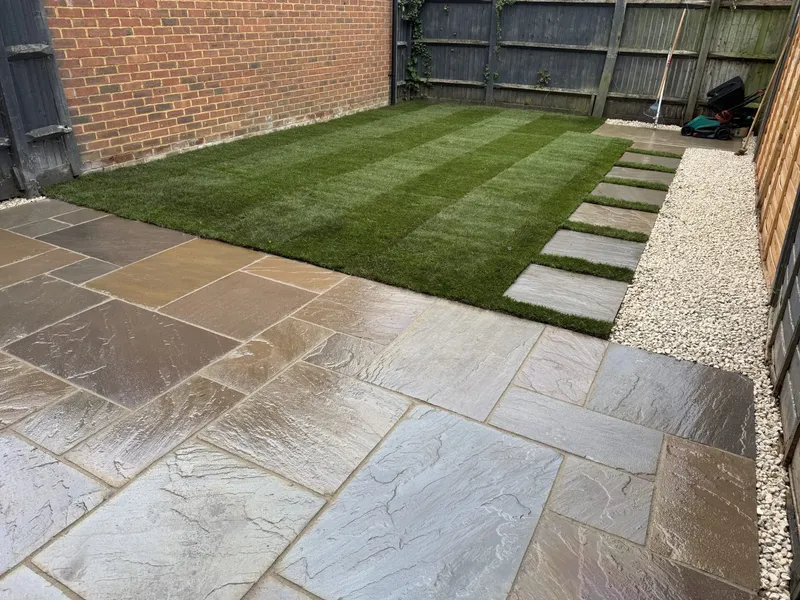
How Do You Water New Turf?
Water as soon as the last roll is down. The TGA says to soak it until the soil is damp to a depth of 100mm. After that, keep the turf and the soil underneath it damp.
- Lift a corner now and then to check the soil below is moist.
- Water less and less often over the first 28 days.
- Do not let it dry out and go brown in that time.
- Do not overwater either, as boggy ground encourages moss and disease.
- Skip watering after rain if the soil is already moist.
The RHS adds that you should soak water right down through the turf. Wetting only the surface leads to shallow roots. This is where autumn laying pays off, because the rain often does the job for you.
When Can You Mow and Walk on New Turf?
Wait until the turf has rooted, which the RHS says is usually about three weeks after laying. Tug gently at the grass. If it does not lift, it has rooted.
For the first cut, set the mower blades to their highest setting. Keep foot traffic light until then, and stand on boards if you need to cross it.
Turf or Seed: Which Is Better?
Both work, and both need the same careful ground preparation. The main differences are speed and cost.
| Turf | Seed | |
|---|---|---|
| Best time | Mid-autumn to early spring | September to November, or March to April |
| Ready to use | Within a few weeks | Light use only for about eight months |
| Cost | Costs more than seed | Cheaper than turf |
| Timing | Must be laid within days of delivery | Can wait until the weather suits |
The RHS says turf gives an instant lawn you can use within weeks. That suits families with children or pets. The RHS seed guide says seed is cheaper, but takes longer to establish.

Planning a New Lawn This Autumn or Spring?
If you are thinking about a new lawn, now is a good time to plan it. We are a family-run team based in Hazlemere. We clear and level the ground, improve the soil where it needs it and lay the turf tight and even.
Jack will visit to look at your garden and give you a free quote. See our lawns and turfing service, or our local pages for new lawns in Penn and new lawns in Prestwood.