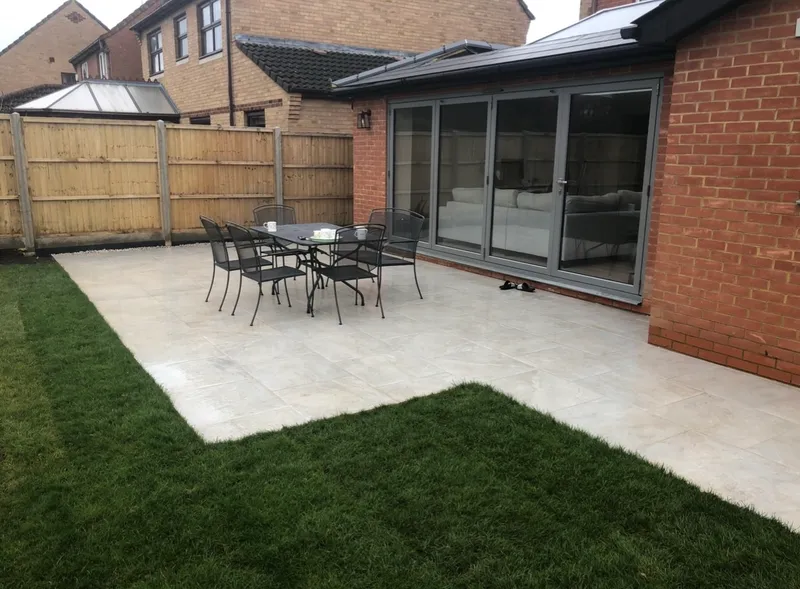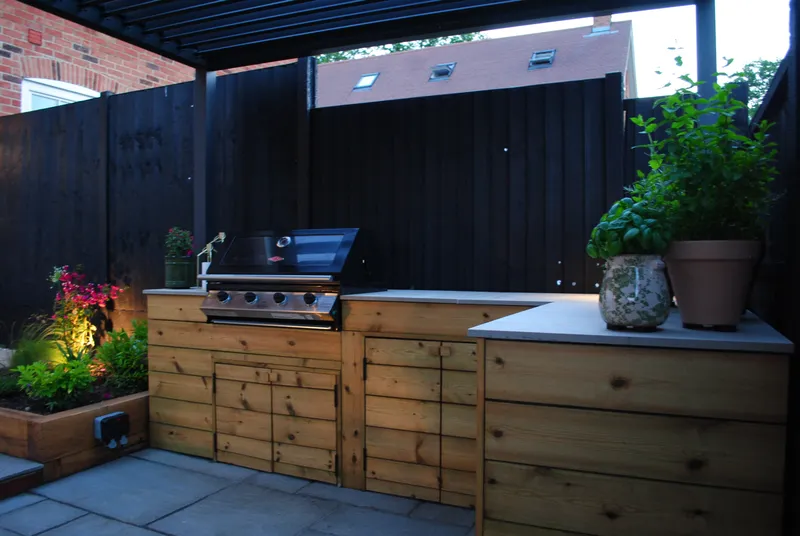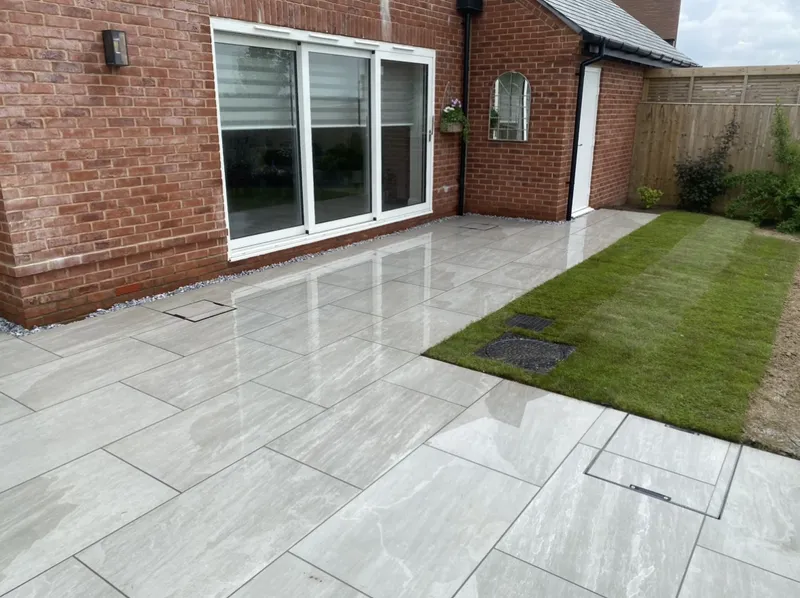
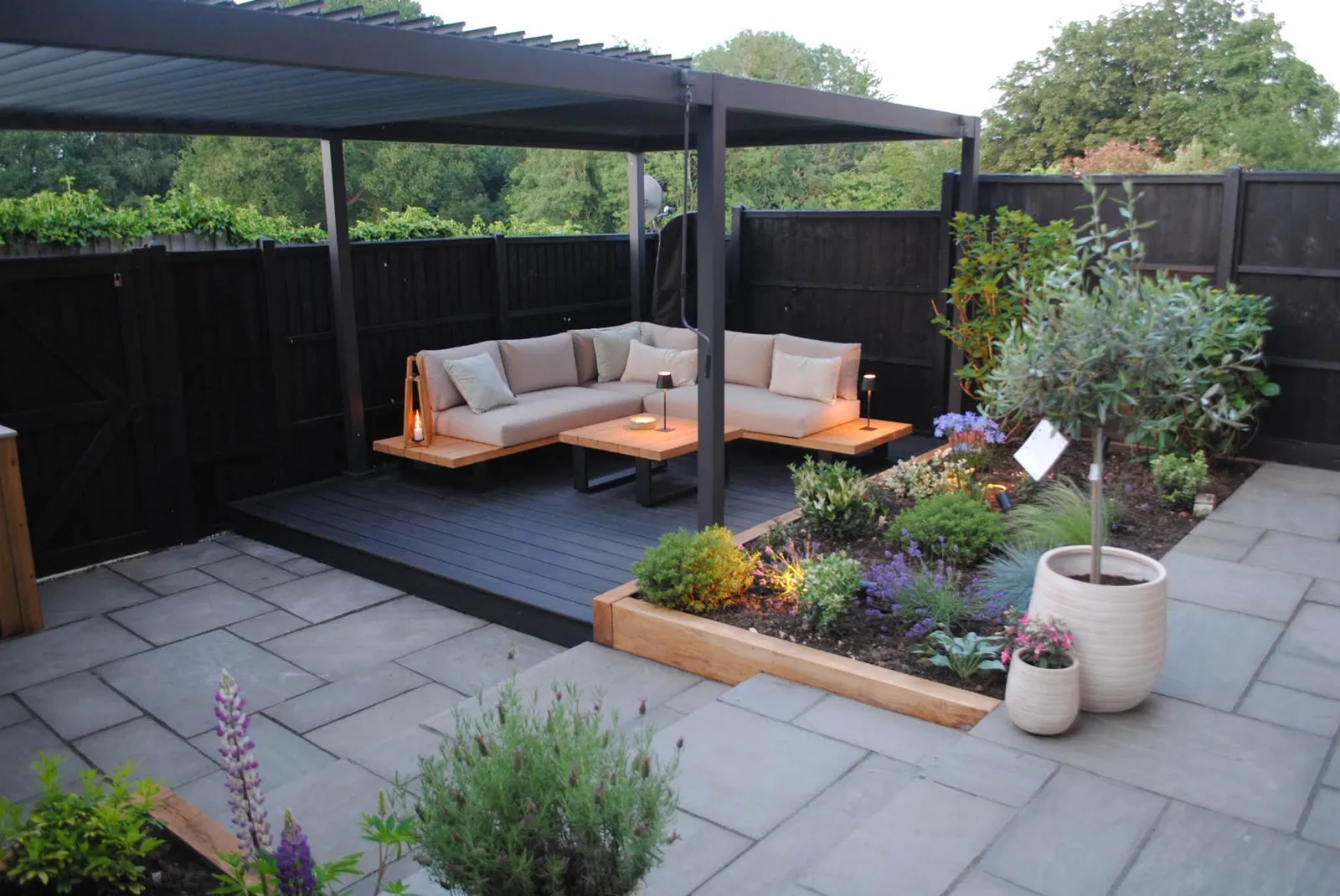
Winter is the best time to plan a spring garden makeover. Use the quiet months to decide what the garden needs, get a design and quote, choose materials and check any planning rules. Then the work can start as soon as the weather allows. Our garden landscaping service covers the whole plan, from the first visit to the finished garden.
At a Glance
- Spring is the busiest time for garden work, so planning in winter puts you ahead of the rush.
- Start with what did not work this year: too little seating, a muddy lawn, water sitting on the patio.
- Get the design and quote sorted before you pick finishes.
- Check planning rules early, especially for front gardens, raised decks and garden rooms.
- Much hard landscaping can carry on in winter, between frosts and heavy rain.
- Bare-root trees, shrubs and roses are planted from November to March.
Why Plan a Spring Garden in Winter?
It is easy to leave the garden until the sun comes out. By then, spring is already here.
Spring garden planning works best while the garden is quiet. Planning in winter means the thinking is done by the time the weather turns. You have time to compare ideas without feeling rushed. Decisions on layout, materials and budget are made calmly, not in a hurry.
It also means you get the garden for the whole of spring and summer. A garden that is finished in April is ready for the first warm evening. One that starts in June loses half the season.
Step 1: Look Back at What Did Not Work
Before you think about new ideas, think about this year. What annoyed you about the garden?
- Was the patio too small for the table and chairs?
- Did the lawn turn to mud by the back door?
- Did water sit on the paving after rain?
- Was there nowhere in the shade on hot days?
- Could the neighbours see straight in?
Write the answers down. They are the problems the new design has to fix. They matter more than any picture on Pinterest.
Winter also shows things summer hides. Look out of the window after heavy rain. Where does water collect? Which parts stay in shade all day? Those notes help with drainage and with where the seating goes.
Step 2: Decide What the Garden Is For
A good garden starts with how you want to use it. Think about who uses it and when.
- Somewhere to eat outside with family and friends
- A safe lawn for children or a dog
- A quiet corner to sit with a coffee
- Less mowing and weeding at weekends
- A home office or gym at the end of the garden
Put them in order. Few gardens can do everything well, so knowing what matters most helps the design. If a garden room is on the list, read our guide to planning permission for a garden room.
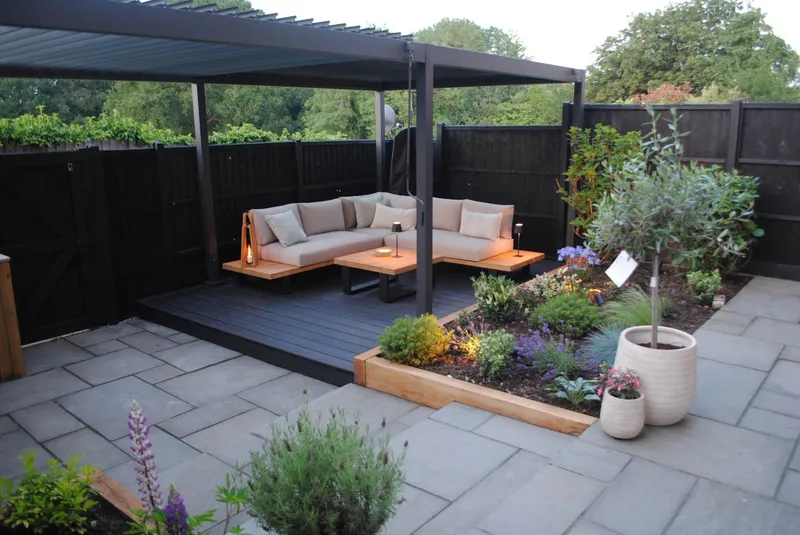
Step 3: Set a Budget That Covers the Groundwork
It is easy to spend the whole budget on what you can see. But the parts you never see decide how long a garden lasts.
A patio needs a solid base underneath, or it will sink and crack. Paving needs a fall so rain runs off. Wet ground may need drainage before anything else goes in.
So when you set a budget, leave room for the groundwork as well as the finish. A written quote should show what is included, so you can compare like with like.
Step 4: Get a Design and Quote
Winter is a good time to have someone look at the garden. The plants have died back, so the shape of the space, the levels and the problems are easy to see.
A site visit should cover:
- How you want to use the garden, from your list in step 2
- The levels, and where water drains
- Access for machinery and deliveries
- What can stay and what needs to go
- Options at different budgets
With a plan and a written quote, you can make the big decisions before spring.
Step 5: Choose Your Materials
Choosing paving, decking and fencing can take a while. Winter gives you time to do it properly.
- Look at samples outside, in daylight, not just online.
- Wet a paving sample to see how the colour changes in the rain.
- Think about how it looks with the house bricks or render.
- Ask how much care each material needs over the years.
Our patios and paths page covers the main paving types. For drives, see resin bound vs resin bonded vs block paving.
Step 6: Check the Planning Rules Early
Most back garden work needs no planning permission. A few things do, and finding out in winter avoids a delay in spring.
- Front gardens: under the Planning Portal front garden rules, paving over five square metres can need permission. It does not if water drains through it or runs to a lawn or border.
- Raised decks and patios: a platform more than 30 cm above the ground needs permission. Our sloping garden ideas guide explains how this works on a slope.
- Garden rooms: most are permitted development, but height, position and the Chilterns change that.
The rules are different for flats, listed buildings and areas with an Article 4 direction. If in doubt, ask Buckinghamshire Council before the work is booked.
Step 7: Book Your Start Date
Once the design, quote and materials are agreed, book the work in. Spring and early summer are the busiest months for garden work.
Booking in winter gives you a better choice of dates. It also means materials can be ordered in good time.
What Can Be Done in Winter?
You do not always have to wait for spring to start. Much hard landscaping can go ahead in winter, between frosts and spells of heavy rain.
Our porcelain patio in Prestwood was built from late October into November. It was finished on 5 November.
Winter is also the season for bare-root planting. The RHS says specimen trees are best planted between November and March. Bare-root roses go in from leaf fall to early spring, avoiding frozen ground.
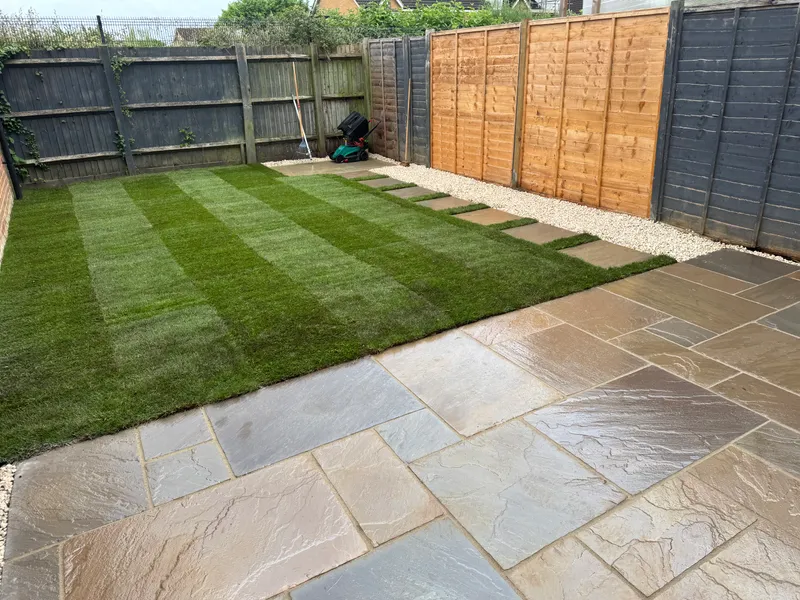
New lawns are best laid in mid-autumn, with early spring next. Our guide to the best time to lay turf explains why.
What Should Wait Until Spring?
Some jobs are better left until the ground warms up and dries out.
- Keep off frosty lawns. The RHS warns that walking on frosty grass can leave brown footprints for weeks.
- Stay off waterlogged lawns too. The RHS says foot traffic makes waterlogging worse.
- Do not lay turf or plant into frozen ground.
- Most new planting, apart from bare-root plants, is easier in spring.
A Simple Winter to Spring Plan
| When | What to do |
|---|---|
| November to December | Write down what did not work. Decide what the garden is for. Note where water sits after rain. |
| January | Book a site visit. Get a design and written quote. Set the budget. |
| February | Choose materials. Check any planning rules. Book a start date. |
| March to April | Work starts as the weather allows. Plant and lay turf as the ground warms. |
| May onwards | Enjoy the garden for the whole summer. |
If the work can start earlier, so much the better. Hard landscaping done in winter leaves spring free for planting.
Plan Your Spring Garden with FirstScapes
We are a family-run team based in Hazlemere. Jack visits, walks the garden with you and sends a free, written quote. See our garden landscaping service, or read about garden landscaping in Prestwood and garden landscaping in High Wycombe.